Home Page
“Me-Time Rituals”: The Antidote to our Always-on, Always-consuming, Always-optimizing Culture
Author
Justin Cox
Date
11 Feb 2026
Share


Every January, we collectively engage in an annual conversation about self-improvement. We listen to podcasts about prioritizing mental health and read articles about effectively communicating with our colleagues. We start new exercise regimes and meal plans. We promise to spend less time on social media. We do Dry January (eyeroll). The intentions are good. The motivation is there. Months later these new activities and routines have vanished from our lives. The articles, Instagram Reels and TikTok videos, gym memberships, and subscriptions services are shrapnel scattered about our inboxes and credit card statements. Which begs the question, “Why do some activities stick, becoming permanent fixtures in our lives, while others fade away?”
Every person’s story is different, but the one thing that remains universally true (if anything is universally true anymore) is motivation is fleeting. Long-term success in anything, be it mastering a new skill or changing the way we eat, requires discipline. Ugh. Discipline is no fun. It’s hard. Discipline is punishment. Even the sound of the word, “discipline,” hits our ears with a dull thud. Throw that into the blender of modern life, full of easy distractions, infinite negativity, and algorithms that suck us into rabbit holes filled with videos asking whether gorillas can drink hot chocolate. We have no chance. Or do we?
Enter rituals.
Put simply, rituals are a succession of behaviors designed to induce an emotional transformation. The actions are intentionally performed in a fixed order and are driven more by personal meaning than practical benefits. Rituals have a remarkable power to shape our moods, identities and choices – including what we buy and the brands we choose.
Rituals are a link to some of the most important motivations and drivers of human behavior. While routines automate our lives, rituals animate them.
Rituals can be small, private, daily moments. They can be big, collective celebrations. No matter the frequency, all rituals are investment in identity.
And when the general vibe is described as “shitty” it’s no surprise people turn to rituals that give them a greater sense of control or optimism, or the ability to escape the noise of the world.
The rituals gaining popularity worldwide right now? “Me-time” rituals. While these rituals take different forms, MSQ looked at over 600,000 unprompted search and social data points to identify the fastest growing categories:
- +33% search growth for “pamper time” rituals related to mixture of personal wellness and indulgence
- +12% search growth for “meet the day” rituals related to the confidence and calm one needs to handle daily stress
- +8% social conversation growth for “daily wind down” and “Sunday reset” rituals related to maintaining our physical and mental health
- +19% social conversation growth for “glow-up” rituals related to taking us from our normal self to our best self
(Source: "Ritualized: Where Marketing meets Meaning," MSQ, 2024-2025)
The growth of these “Me-time” rituals is driven by our need for self-assurance.
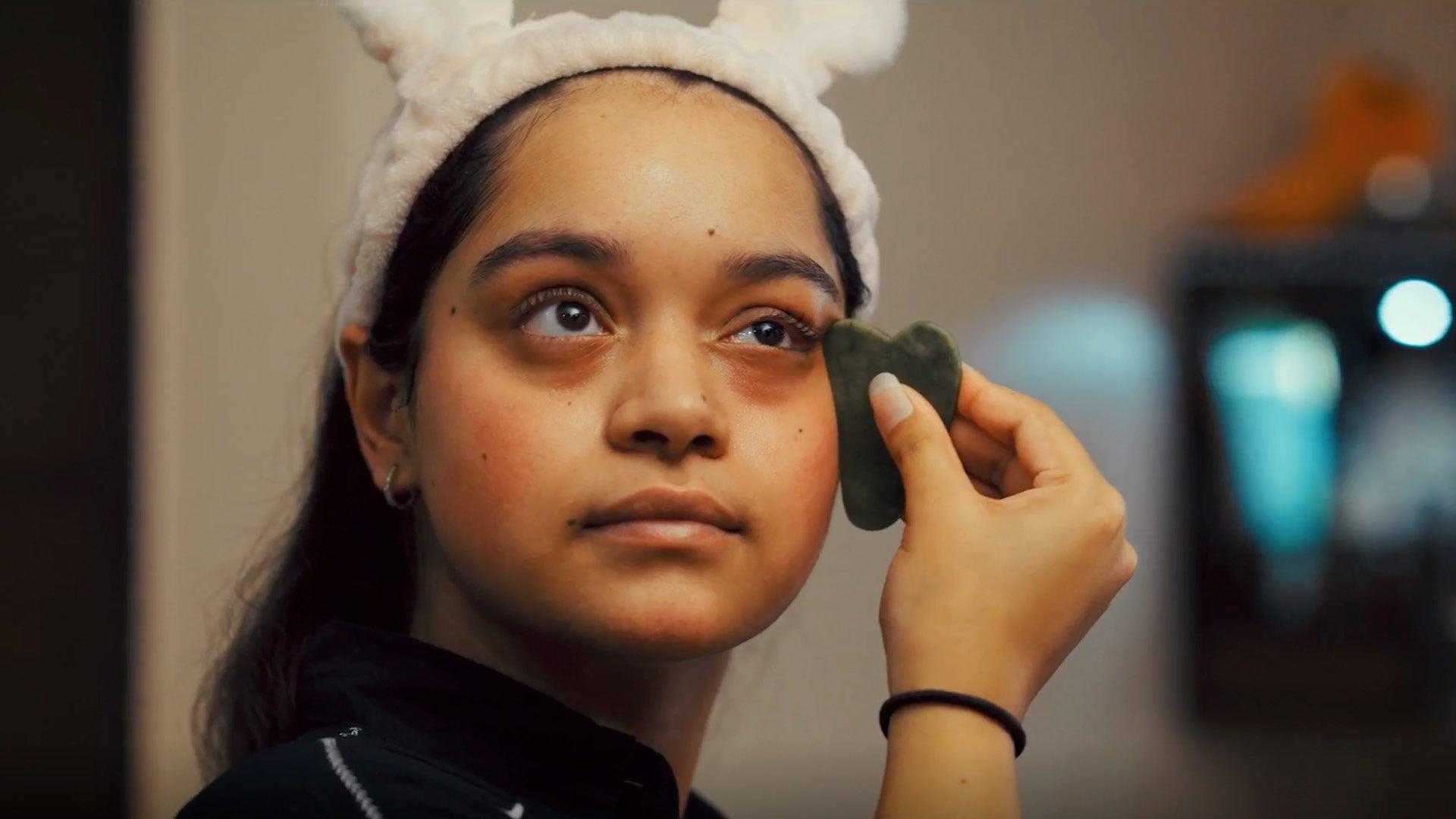
I’ve had the chance to witness dozens of rituals from all over the world over the last three years and I continue to be struck by the transformative emotional effect rituals have on all of us. It’s given me better perspective and greater empathy for how we all walk through life. They ground people when the chaos of our daily lives overwhelms our senses and our moods. Here is just a snippet of what I’ve seen:
As a marketer, my takeaway is simple: don’t be part of the mental noise pollution. Our industry has mastered the art of intruding on people’s lives all while getting further away from what makes marketing so powerful – the ability to connect people to an idea in a way that makes them think, laugh, cry, or dare I say, feel inspired.
It feels frivolous to write about marketing when there is so much heaviness in the air. All the more reason to get back to infusing emotion and meaning into the work we do. It can be hard in a technology-driven culture that worships at the altar of volume and efficiency, but the antidote is out there. We just need to look. Studying rituals is a great place to start.
If you would like to know more about our Ritualized research, get in touch with us, here.
 Back to News & Views
Further reading